Category: Family Support

  • Understanding the Conflict Puzzle: A Practical Tool for Conflict Analysis

    Understanding the Conflict Puzzle: A Practical Tool for Conflict Analysis

    Conflict in the workplace or community can feel overwhelming, but it often follows recognisable patterns. At Mediation NI, we use a simple but powerful model called the Conflict Puzzle. This tool helps people unpack the different elements of a conflict and gain new insight into how to address it constructively. By looking at four key areas – behaviour, emotions, issues, and relationships – the puzzle provides a clear way to understand and work through disagreements.

    Behaviour: The First Signs of Conflict

    Conflict often shows itself through behaviour. This can mean obvious changes, such as raised voices or silence, but it can also be more subtle. For example, consider a workplace situation where two colleagues – we’ll name them Angela and Ben – disagree on the priorities for a plan. After a difficult team meeting, Ben stops speaking directly with Angela and begins communicating only through email. Angela, in turn, copies their line manager into her replies.

    These shifts in behaviour indicate that something has changed in their working relationship. By noticing these changes, we begin to see the first piece of the conflict puzzle. Guidance from ACAS shows how even small changes in behaviour can be early signs of deeper workplace tensions.

    Emotions and Issues: What Lies Beneath the Surface

    The second piece of the puzzle is emotions. Conflict usually stirs strong feelings. In Angela’s case, receiving emails instead of direct communication leaves her feeling anxious, frustrated, and annoyed. These emotions influence how she interprets Ben’s behaviour and how she responds. Support from organisations like Mind UK highlights how workplace stress and conflict can have a real emotional impact.

    The third piece is the issues at the heart of the conflict. Here, Angela might identify two main concerns: how the team makes decisions and how colleagues manage disagreements without harming their working relationships. These issues go beyond the behaviour itself and reveal what truly matters to the people involved.

    Relationships: The Wider Picture

    The fourth piece of the puzzle is the relationship. Who is involved, who is affected, and what dynamics shape the situation? In Angela and Ben’s case, their line manager and other team members are also impacted. Factors such as length of service, expertise, and communication style may create power differences that shape how the conflict plays out.

    It also helps to consider the past, present, and future of the relationship. If Angela and Ben have a history of tension, this dispute may feel like another chapter in an ongoing story. If they usually work well together, the conflict may come as a surprise. Thinking about the future is equally important, whether they will continue to work together long-term or soon go separate ways will affect how much energy they put into resolving the situation.

    By paying attention to all four pieces – behaviour, emotions, issues, and relationships – the Conflict Puzzle offers a way to move beyond surface-level management and towards deeper understanding. CIPD research shows that strengthening relationships is central to building healthier workplaces.

    Putting the Conflict Puzzle into Practice

    The Conflict Puzzle is not only useful for mediators. Anyone can use it to reflect on a disagreement in their own life. A helpful exercise is to divide a page into four sections and write down:

    • What behaviours you noticed
    • What emotions you experienced
    • What issues were involved
    • How you would describe the relationship, including factors such as power, history, and who else is affected

    You can then repeat the exercise from the other person’s perspective, imagining how they might have seen and felt about the situation. This practice encourages empathy and can highlight new ways forward.

    Training for Handling Conflict

    At Mediation NI, we believe that conflict resolution skills benefit individuals, teams, and communities. Our training helps people understand conflict responses and apply them in real-world situations. We provide courses at different levels, from introductory to advanced, and they can be delivered in a way that suits your needs and timescales.

    We offer:

    • Open-access courses – join as an individual or small group.
    • Tailored training – designed specifically for your organisation or group.
    • Independent accreditation – available for most of our courses.
    • Additional learning support – where needed, to help participants succeed.

    Our training is designed to build long-term skills in communication, conflict management, and understanding. Whether you are a team leader, teacher, youth worker, or simply someone who wants to strengthen your ability to handle conflict, mediation training provides tools that last a lifetime. By choosing a course that matches your needs, you can build confidence in addressing conflict constructively and improve how people work together.

    Register or reach out today.

  • A Spectrum of Responses to Conflict

    A Spectrum of Responses to Conflict

    When something kicks off – be it at work, in the neighbourhood, or even at home – most of us fall back on our usual way of handling it. Some of us avoid it, some push straight in, others keep it bottled up. But there’s actually a whole spectrum of responses to conflict. Knowing what those are helps you think about what’s going to work best.

    From Doing Nothing to Handing It Over

    At one end of the spectrum, you simply put up with a problem. You adjust, you complain to yourself, but nothing really changes.

    The next step is raising it directly. A quick word in passing, a casual request. Sometimes that’s enough, sometimes not. If not, things move into negotiation; a proper conversation where both sides prepare what they want to say and work out what feels realistic.

    If that still doesn’t resolve things, you might bring in someone trusted to sit alongside the discussion, or take it further by involving a mediator. A mediator doesn’t decide the outcome; they guide the process so that those involved can work it out for themselves.

    Beyond that, control shifts elsewhere. Lawyers, judges, tribunals, or policymakers start setting the rules. At that stage, you have less say in how things unfold, and it’s much harder to bring the situation back to something more informal.

    Why It Matters in Workplaces

    Conflicts in workplaces rarely appear overnight. They often start small. A misunderstanding, a difference in working style, or a breakdown in communication. Left unaddressed, these tensions can grow and become much harder to resolve, sometimes escalating into formal grievances or even legal disputes.

    Research from Acas shows that workplace conflict costs UK employers around £28.5 billion a year. More than £1,000 per employee. That’s a clear sign of how important it is to deal with issues early.

    The sooner people have the space to talk things through, the more likely they are to find solutions they can own together. Once a situation becomes procedural, relationships and trust can be much more difficult to repair.

    That’s why it’s important for organisations to think about how they support people at the earlier stages of tension, creating opportunities for constructive conversations before conflict escalates into something more damaging. The CIPD’s mediation at work factsheet underlines that mediation is most effective when introduced early, before workplace disputes harden into formal complaints.

    Training for Handling Conflict

    Understanding this spectrum makes a difference. It gives people tools to spot options and choose wisely, keeping more control over outcomes.

    At Mediation NI, we provide training that helps people understand conflict responses and apply them in real-world situations. Our courses are available at different levels, from introductory to advanced, and can be delivered in a way that suits your needs.

    We offer:

    • Open-access courses – join as an individual or small group.
    • Tailored training – designed specifically for your organisation or group.
    • Independent accreditation – available for most of our courses.
    • Additional learning support – where needed, to help participants succeed.

    These sessions aren’t designed to be one and done. They’re designed to build long-term skills in communication, conflict management, and understanding. Whether you’re a team leader, teacher, youth worker, or just someone who wants fewer arguments and better conversations, mediation training offers tools that last a lifetime.

    Sign up today for one of our mediation and negotiation courses.

  • Understanding Karpman’s Drama Triangle in Conflict Resolution

    Understanding Karpman’s Drama Triangle in Conflict Resolution

    Conflict often follows patterns. One model that helps us understand these patterns is Karpman’s Drama Triangle, which comes from the field of transactional analysis. It highlights the roles people may take on when a disagreement escalates, and how those roles can shift during the interaction.

    What Is the Drama Triangle?

    The Drama Triangle describes three roles that people may move between during conflict:

    • Victim: feeling powerless, helpless, or unable to change the situation.
    • Persecutor: taking a dominant or critical stance, often driven by frustration or resentment.
    • Rescuer: stepping in to “save” someone, taking over responsibility for another person’s problem.

    None of these roles lead to healthy communication. People often shift between them, creating a cycle that fuels conflict rather than resolving it.

    A Story to Illustrate the Drama Triangle

    To make this clearer, imagine the following situation.

    A woman’s washing machine breaks down, and she complains to her friend. She may be expressing frustration and needing empathy, which places her in the Victim role. Her friend then decides to buy her a brand new washing machine, stepping into the Rescuer role.

    Instead of solving the problem, this creates new difficulties. The woman now feels critical of the choice, moving into the Persecutor role, while her friend shifts from Rescuer to Victim, saying, “But I was only trying to help.”

    This is how the Drama Triangle plays out: people move between roles, but the underlying issues remain unresolved.

    Moving Beyond the Drama Triangle

    The key to breaking out of the Drama Triangle is to step outside of these roles. Instead of relating through power struggles or dependency, people can communicate in a way that recognises both their own needs and the needs of others.

    This healthier way of relating is often described as the “I’m OK, You’re OK” circle. It allows people to:

    • Be open about their needs without fear.
    • Be caring in ways that respect others’ independence.
    • Be assertive by setting clear boundaries while respecting the value of others.

    For example, in the washing machine story, the woman might have said to her friend: “I just need a listening ear and maybe some help with a load of towels.” Her friend could then offer exactly that help without taking over the whole situation. This approach creates balance, respect, and healthier communication. You can also see how these approaches connect with wider conflict resolution practices used in workplaces and communities.

    Why This Matters in Conflict Resolution

    For mediators and negotiators, understanding the Drama Triangle is vital. It helps to:

    • Recognise when people are slipping into these roles.
    • Avoid getting drawn into the triangle themselves.
    • Support participants in expressing their needs directly.
    • Encourage healthier communication that values both sides.

    By guiding people out of the Drama Triangle and towards the “I’m OK, You’re OK” circle, mediators help create the conditions for genuine resolution.

    Learn More Through Training

    At Mediation NI, we provide training that helps people understand models like the Drama Triangle and apply them in real-world situations. Our courses are available at different levels, from introductory to advanced, and can be delivered in a way that suits your needs.

    We offer:

    • Open-access courses – join as an individual or small group.
    • Tailored training – designed specifically for your organisation or group.
    • Independent accreditation – available for most of our courses.
    • Additional learning support – where needed, to help participants succeed.

    These sessions aren’t designed to be one and done. They’re designed to build long-term skills in communication, conflict management, and understanding. Whether you’re a team leader, teacher, youth worker, or just someone who wants fewer arguments and better conversations, mediation training offers tools that last a lifetime.

    👉 Sign up today for one of our mediation and negotiation courses.

  • The Case for Mediation in School Leadership: Building Stronger Schools

    The Case for Mediation in School Leadership: Building Stronger Schools

    Conflict happens wherever people work together. In schools, where students, teachers, staff, and families interact daily, disagreements are part of life. Mediation offers a way to handle these moments with confidence, turning tension into opportunities for understanding and growth. By making mediation part of leadership practice, schools can address challenges constructively, encourage respectful dialogue, and create a climate where everyone feels valued.

    Creating space for understanding

    Mediation creates an environment where every voice can be heard. In a busy school, it’s easy for concerns to be brushed aside or misunderstood, which can lead to resentment or disconnection. A leader skilled in mediation knows how to create a safe, respectful space for discussion, even when emotions are high. This means taking the time to listen actively, asking thoughtful questions, and guiding the conversation towards shared solutions. Resources like the Northern Ireland Commissioner for Children and Young People can support leaders in understanding young people’s perspectives. When students see that their concerns are addressed fairly and staff know they have the opportunity to speak without fear of judgement, trust builds naturally. Over time, this approach strengthens relationships across the whole school and allows for more open, honest communication.

    Supporting staff wellbeing

    Teachers and school staff carry a huge emotional load alongside their professional responsibilities. Disagreements or unresolved tensions can affect morale and productivity, and this often ripples into the classroom. Mediation offers a constructive way to address these pressures. Leaders who use mediation can help staff work through challenges early, before they become unmanageable. Guidance from organisations like the Education Authority NI can help schools put staff wellbeing at the centre. This helps create a healthier work environment where people feel supported, respected, and appreciated. When leaders understand the personal and professional pressures staff face, they can respond with empathy and solutions that work for everyone. The result is stronger teamwork, greater job satisfaction, and a shared commitment to the school’s vision.

    @mediation_ni

    Mediation plays a key role in solving workplace tensions, especially where relationships between staff members have broken down. When conflicts arise, people often hesitate to bring in those who hold formal authority because there’s a risk of exposing vulnerabilities or affecting future opportunities. This is why impartial mediators outside the management chain are essential in creating a safe space for open dialogue. Team leaders may not always be the right people to mediate disputes. Staff might prefer a neutral third party who can listen without judgment or hidden agendas. Having trained, independent mediators ensures that conversations can happen honestly and respectfully without fear of consequences. Understanding how mediation fits into organisations helps improve how conflicts get resolved. For those dealing with workplace challenges, reaching out to a qualified mediator can make a real difference.

    ♬ original sound – Mediation_NI – Mediation_NI

    Building a healthier school culture

    A positive school culture doesn’t happen by chance; it’s built through consistent actions and clear values. Mediation supports this by modelling respectful problem-solving and encouraging collaboration at all levels. Pupils learn important life skills by observing how conflicts are managed, gaining tools they can carry into their own relationships and future workplaces. Parents and carers experience better communication and stronger partnerships with the school, which leads to a more united community. Over time, mediation helps create an atmosphere where challenges are seen as opportunities for growth, not as threats. This reinforces the idea that everyone has a role to play in maintaining a supportive, respectful environment.

    If you’re interested in learning how mediation helps with conflict, Mediation Northern Ireland offers a wide range of training courses that suit every level. Whether you’re new to the idea or looking to build on what you already know, there’s a course that fits.

    Training is available in different formats:

    • Open-access courses: perfect for individuals or small groups who want to join others and learn together.
    • Tailored training for groups: if you already have a group in mind, we can deliver the course just for you, shaped around your priorities and schedule.
    • Flexible delivery: training can be adapted to fit your timescales, and additional learning support is available if needed.
    • Independent accreditation: available for most courses, offering recognition for your learning.

    These sessions aren’t designed to be one and done. They’re designed to build long-term skills in communication, conflict management, and understanding. Whether you’re a team leader, teacher, youth worker, or just someone who wants fewer arguments and better conversations, mediation training offers tools that last a lifetime.

    👉 Explore our course options today and take the first step towards calmer, stronger conversations.

  • Restorative Approaches for Schools, Workplaces, and Communities

    Restorative Approaches for Schools, Workplaces, and Communities

    Restorative approaches are structured ways of dealing with conflict, harm, or breakdowns in relationships. They bring together the people involved to talk openly, listen to each other, and work out what needs to happen to repair the situation.

    Rather than focusing on blame or punishment, restorative approaches focus on understanding what happened, how people were affected, and what can be done to put things right. These approaches can be used in schools, workplaces, or communities; anywhere relationships matter. Organisations like the Restorative Justice Council provide practical resources and guidance on how these practices can support healthy relationships in a wide range of settings.

    What Does a Restorative Approach Look Like?

    At its core, a restorative approach is about respectful communication. It gives people a chance to explain what happened from their point of view and to listen to how others experienced the situation.

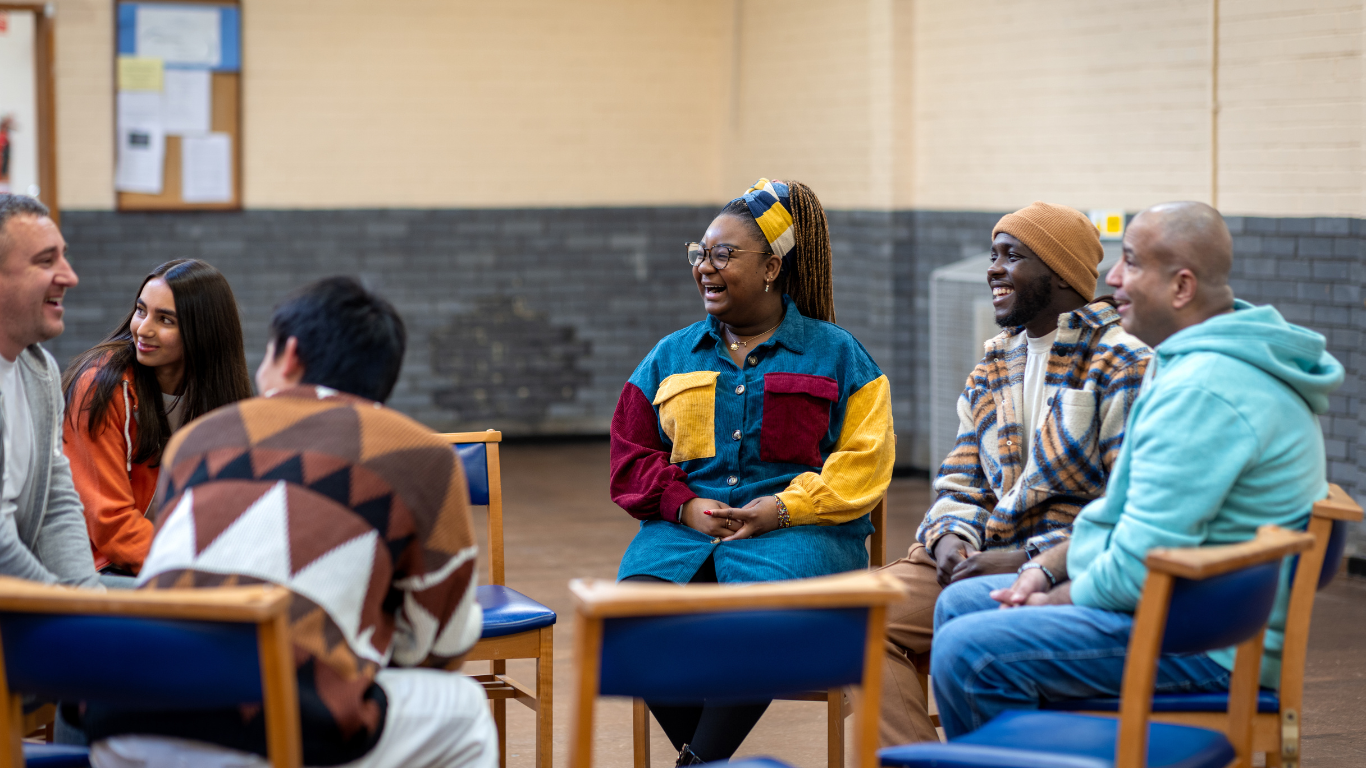
    A common example is a restorative conversation or circle. This is a calm, guided discussion where everyone involved can speak openly and safely. A trained facilitator or trusted adult supports the group to explore:

    • What happened?
    • Who was affected, and how?
    • What needs to happen to make things right?

    This process helps people feel heard, take responsibility, and repair trust. It can be used after a disagreement, misunderstanding, or incident and can also be used preventively, to build stronger relationships over time.

    Making Space for Dialogue

    Restorative approaches create space for honest conversations. When something has gone wrong, they provide a structure where people can speak openly, feel heard, and make amends if needed.

    This space helps reduce tension and gives everyone involved a sense of inclusion and dignity. It also supports long-term change by helping people understand how their actions affect others. The Centre for International Justice & Reconciliation offers accessible explanations and stories that help illustrate these practices in action.

    Supporting Young People in Schools

    Many schools have started using restorative approaches to support pupils and staff in dealing with conflict. These methods encourage children and young people to take responsibility, understand different perspectives, and build stronger relationships with those around them.

    Restorative conversations can be used after incidents between pupils, or as a way of building connection in classrooms. They also help staff manage difficult situations calmly and consistently. In Northern Ireland, the Education Authority has introduced restorative practices as a way to strengthen communication and wellbeing in schools.

    @mediation_ni

    Restorative approaches offer practical tools for head teachers to handle conflict and communication within schools. This training focuses on real situations involving colleagues and adults, providing clear methods for resolving issues and building better working relationships. The aim is to support leadership with structured ways to manage conflict calmly and effectively. Schools in Ireland have experience using restorative methods with young people. This training extends those skills to interactions between adults, recognising the different challenges that come with workplace relationships. Head teachers gain access to a toolkit designed to make difficult conversations easier and more productive. The process is simple and adaptable, applying to various situations. Following the steps helps build understanding and solutions without confusion. These methods can improve how teams work together and create a more positive environment for everyone involved.

    ♬ original sound – Mediation_NI – Mediation_NI

    Strengthening Community and Workplace Relationships

    Restorative approaches are also used in community groups and workplaces. In these settings, they help people address issues early and prevent small problems from becoming bigger ones.

    When colleagues or community members feel respected and heard, relationships are more likely to recover and grow. Restorative practices help foster trust, collaboration, and a shared sense of responsibility.

    A Constructive Way Forward

    By focusing on communication and understanding, restorative approaches support stronger, healthier environments. They allow people to deal with challenges in a way that builds connection rather than division.

    Over time, these practices can help shift cultures, making it easier to talk about what matters, even when it’s difficult.

    Start Learning Mediation Skills Today

    If you’re interested in learning how mediation helps with conflict, Mediation Northern Ireland offers a wide range of training courses that suit every level. Whether you’re new to the idea or looking to build on what you already know, there’s a course that fits.

    Training is available in different formats:

    • Open-access courses: perfect for individuals or small groups who want to join others and learn together.
    • Tailored training for groups: if you already have a group in mind, we can deliver the course just for you, shaped around your priorities and schedule.
    • Flexible delivery: training can be adapted to fit your timescales, and additional learning support is available if needed.
    • Independent accreditation: available for most courses, offering recognition for your learning.

    These sessions aren’t designed to be one and done. They’re designed to build long-term skills in communication, conflict management, and understanding. Whether you’re a team leader, teacher, youth worker, or just someone who wants fewer arguments and better conversations, mediation training offers tools that last a lifetime.

    👉 Explore our course options today and take the first step towards calmer, stronger conversations.

  • How Mediation Helps With Conflict in Real Life

    How Mediation Helps With Conflict in Real Life

    Arguments are a normal part of life. They happen at school between classmates, at home with family, and even among close friends. One person says something, the other hears it differently, and before long, things blow up. For many, the default response is to either shut down or fight back. But there’s another way.

    Mediation offers a practical, human approach to sorting things out before they spiral. It gives people the tools to stay calm, speak up, and actually listen, not just wait for their turn to talk. It’s not about winning an argument. It’s about understanding what’s going on and finding a way forward that works for everyone.

    What Is Mediation, Really?

    Mediation is a process where people in conflict are supported to talk things through with the help of someone trained to guide the conversation. But more than that, it’s a mindset. It’s about slowing things down, listening without interrupting, and being open to seeing the situation from someone else’s point of view.

    There’s no shouting, blaming, or being told what to do. Mediation isn’t there to decide who’s right or wrong. It creates space for people to work out their own answers, with support, not pressure. And while it’s used in workplaces and schools, it’s just as useful in daily life.

    Knowing how mediation helps with conflict means being able to respond, not react. It’s the difference between a conversation that ends in slammed doors and one that ends in understanding.

    Real People, Real Change

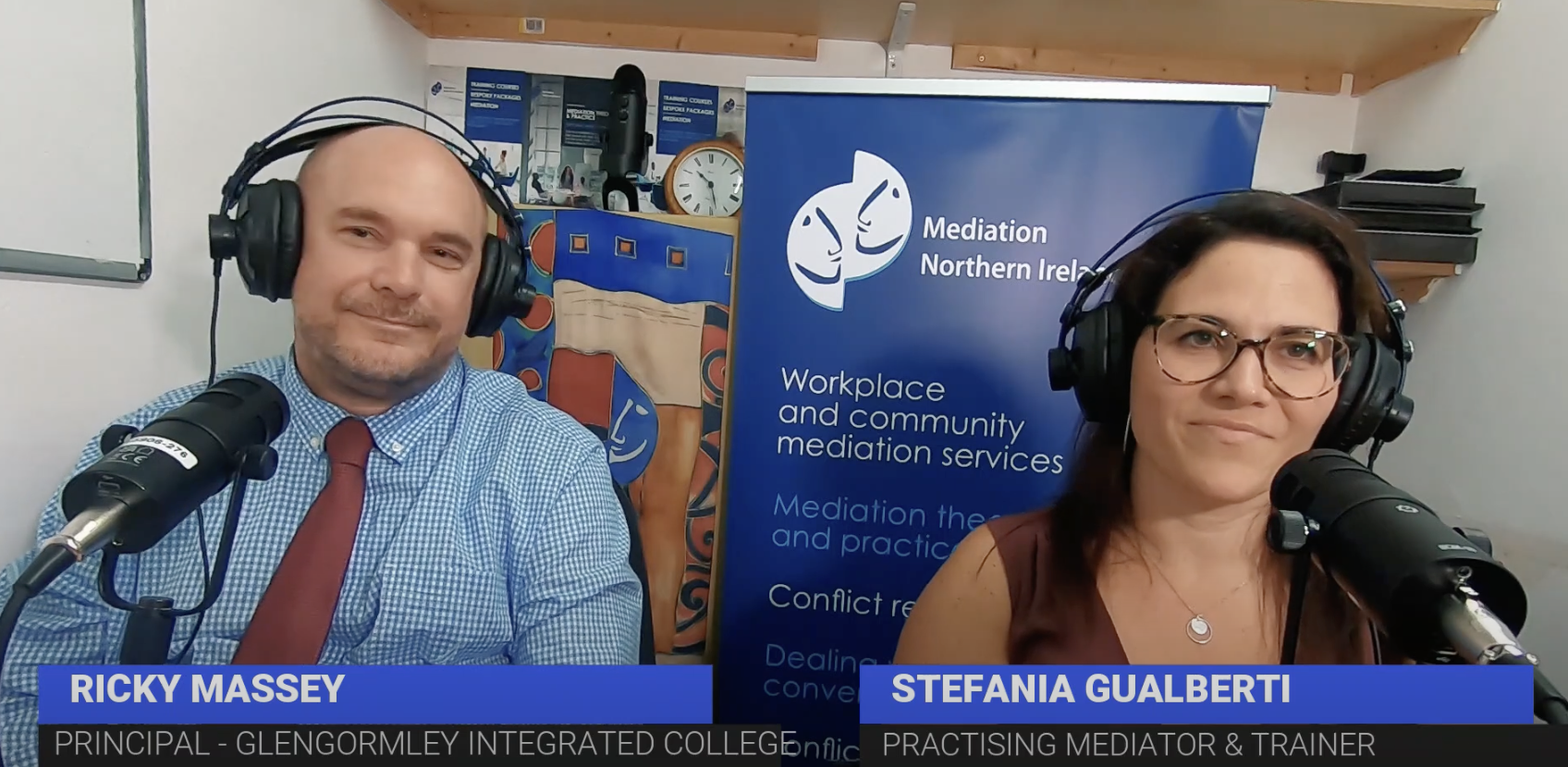
    Two people who really show how mediation works are Stefania – one of our Associates as well as a Trainer – and Ricky; Head of Glengormley Integrated College and a recent graduate of both our Mediation Theory & Practice and Principled Negotiation open access courses.

    Stefania discovered mediation through her Peace Studies course and has been working in the field ever since. What drew her in was the idea that people can actually find their own answers, given the right support. She now delivers mediation training and sees again and again how it helps people deal with real-life situations, both personal and professional.

    Ricky’s journey started in a completely different place. He came across mediation while working in a role where he often had to calm down frustrated customers. Without realising it, he was already using many of the same skills: listening properly, managing emotions, and helping people feel heard. Training with Mediation Northern Ireland helped him recognise what he was doing, sharpen his approach, and start supporting others in a more structured way.

    Both Stefania and Ricky highlight how mediation helps with conflict not only in official settings but also in everyday moments. It changes how people approach tension; with more patience, more listening, and less stress.

    In Episode 7 of our podcast, The Resolution Room, Ricky and Stefania offer a rich and timely conversation on how mediation skills are making a difference in classrooms, staff rooms, and beyond.

    From Tension to Talking

    It doesn’t take much for things to boil over; especially in fast-paced environments like schools, busy homes, or shared workspaces. What mediation offers is a simple but powerful shift: instead of reacting in the heat of the moment, it encourages people to pause, reflect, and respond with care.

    Creating that pause changes everything. It helps people focus less on the argument itself and more on what’s underneath it. Often, conflict transcends the issue on the surface; it’s about feeling unheard, misunderstood, or disrespected. Mediation helps uncover that.

    When people feel safe to speak and know they’ll be listened to without being judged or shut down, the whole dynamic changes. Instead of shouting matches or silent treatment, people start to open up. They explain how they feel, what they need, and what could make things better. This is where resolution happens… through understanding.

    And that’s something that anyone can learn. Mediation is for anyone who wants to handle conflict better and build stronger relationships.

    Everyday Benefits of Mediation

    Understanding how mediation helps with conflict means recognising its impact across different areas of life. Some of the everyday benefits include:

    • Stronger Relationships – People learn to communicate better, reducing arguments and building trust.
    • Better Communication Skills – Mediation teaches active listening, clear speaking, and respectful disagreement.
    • More Confidence – Knowing how to handle difficult conversations gives people confidence in school, at work, and at home.
    • Less Stress – When conflict is handled calmly and openly, it creates a more peaceful environment for everyone.
    • Problem Solving Skills – Mediation focuses on finding practical solutions that everyone can agree on.

    Start Learning Mediation Skills Today

    If you’re interested in learning how mediation helps with conflict, Mediation Northern Ireland offers a wide range of training courses that suit every level. Whether you’re new to the idea or looking to build on what you already know, there’s a course that fits.

    Training is available in different formats:

    • Open-access courses – perfect for individuals or small groups who want to join others and learn together.
    • Tailored training for groups – if you already have a group in mind, we can deliver the course just for you, shaped around your priorities and schedule.
    • Flexible delivery – training can be adapted to fit your timescales, and additional learning support is available if needed.
    • Independent accreditation – available for most courses, offering recognition for your learning.

    These aren’t just one-off sessions. They’re designed to build long-term skills in communication, conflict management, and understanding. Whether you’re a team leader, teacher, youth worker, or just someone who wants fewer arguments and better conversations, mediation training offers tools that last a lifetime.

    👉 Explore our course options today and take the first step towards calmer, stronger conversations.

  • Conflict Resolution and Trust Building: Understanding Perspectives

    Conflict Resolution and Trust Building: Understanding Perspectives

    Trust can feel like a fragile thing, especially when conflict has had time to settle in. Sometimes, it arrives long before the first heated word is spoken. It starts quietly, when people stop hearing each other.

    Conflict resolution and trust building help restore connection. A key part of that process is learning to understand different perspectives. With support, people can reflect, speak openly, and rebuild the relationships that matter to them.

    How Conflict Can Take Hold

    Many people arrive at mediation feeling unsure. There may be tension, frustration, or long periods without meaningful communication. Positions can feel fixed, and old patterns may feel difficult to shift.

    This is a common part of conflict. But people can move forward. Conflict resolution and trust building work best when people feel supported, safe, and heard.

    Understanding the views of others can help open the conversation. This allows for stronger communication and builds the foundation for trust to grow.

    Listening With Purpose

    Understanding a perspective means making space for someone’s story. It involves attention, respect, and the willingness to hear what is important to another person.

    Conflict resolution and trust building benefit from this kind of listening. With a clearer picture of each other’s experience, people often find that communication improves and tension reduces.

    The focus is not on changing minds. It is on creating understanding.

    Voluntary Steps That Build Trust

    People take part in mediation voluntarily. This makes room for honesty and clarity. When people feel able to express what they’re experiencing, there is more openness.

    Many clients tell us that speaking freely, without pressure, allows them to feel respected. They become more open to hearing others. This can lead to shared progress.

    Conflict resolution and trust building are possible in many situations. They are supported by honesty, patience, and skilled guidance.

    Training That Supports Real Conversations

    Skills in perspective-taking, communication, and conflict resolution can be learned. People grow more confident when they have the space to practise and reflect.

    Our training supports these skills through a range of courses. From foundation-level learning to more advanced training, each course is built to support real conversations in real-life situations.

    We offer training both off-the-shelf and tailored to meet the needs of your group. For individuals or small teams, open-access courses are available. For larger groups, we can deliver training specifically designed around your goals and schedule.

    Independent accreditation is available for most courses, and additional learning support can be provided if needed.

    Take the Next Step

    Conflict resolution and trust building begin with understanding. When people take time to learn, reflect, and build confidence, the results are often meaningful.

    We offer a wide range of courses designed to support individuals, professionals, and teams. Whether you are new to mediation or looking to strengthen your practice, we have options to suit your needs and timescales.

    Explore our training options today, including introductory, intermediate, and advanced courses. You can join one of our open-access sessions or request a tailored course for your group.

    Get in touch to talk through what’s right for you.

  • The Key Qualities Every Mediator Brings to the Table

    The Key Qualities Every Mediator Brings to the Table

    There’s no one-size-fits-all in life, especially when things are changing. Mediation gives people a safe space to figure things out together, and the person guiding that space is a mediator. But what makes someone right for that role?

    Listening That Builds Understanding

    Listening is at the heart of mediation. A skilled mediator gives each person time and space to speak, without interruption or judgement. This goes beyond simply hearing words; it means being fully present, noticing what matters to the speaker, and responding with care. Listening in this way helps people feel acknowledged. When people feel acknowledged, they often speak with greater openness and clarity.

    This kind of attention supports people to say things they may not have been able to express before. It can reveal needs, fears, and hopes that haven’t been voiced. Even in moments of tension or silence, a mediator stays present. They hold space for emotion without rushing to fill it or move on too quickly. In a process that can be deeply personal and emotionally charged, this steady approach to listening creates room for insight, understanding, and shared purpose to emerge.

    Every voice matters in mediation. When people experience that their story has been taken seriously, they are more likely to remain engaged in the process. They can explore ways forward with clarity, even when the path ahead feels uncertain. Listening like this does not seek to fix the problem, it makes it possible for people to face it together.

    Clarity, Safety, and Trust

    Mediation works best when people feel safe enough to be honest. That’s why clarity around confidentiality is so important. Mediators explain how the process works and what can be expected at each stage. They are clear about what will remain private and where there are limits, for example, if someone is at risk of harm. This helps to create a space that feels secure and respectful.

    Trust is not assumed; it is supported by the way mediators manage the process. They pay attention to tone, pace, and boundaries. They create an atmosphere where everyone is treated fairly, regardless of background, belief, or situation. This sense of fairness encourages people to participate more fully. It becomes possible to speak about things that matter, without fear of being blamed or dismissed.

    Mediators also bring an understanding of the broader context families may be navigating. Many people arrive at mediation while also managing legal, financial, housing, or emotional challenges. While mediators do not offer legal advice, they are trained to recognise when someone might benefit from speaking with a solicitor or another professional. They can help signpost appropriate support, ensuring that the mediation process stays focused and grounded in real-life possibilities.

    Calm Presence and Ongoing Practice

    Change can feel overwhelming. Mediation provides a space to slow down and focus. The mediator’s presence supports this. By maintaining calm, speaking clearly, and responding without judgement, a mediator helps reduce anxiety in the room. They make sure each person has the opportunity to contribute in their own way, without being hurried or spoken over. This kind of steadiness makes space for mutual respect, even in difficult circumstances.

    Professionalism in mediation is not just about what happens during the session. It also includes what happens outside of it. Mediators engage in regular supervision and reflective practice. This is where they take time to think carefully about their work; not just what was said, but how it was said, how the process was held, and how people were supported. Reflection of this kind helps mediators deepen their awareness and strengthen their practice over time.

    Training doesn’t stop once a mediator qualifies. They continue to learn through experience, through listening to others, and through ongoing development. This ensures they remain thoughtful, responsive, and well-prepared to support families in ways that are grounded, respectful, and fit for purpose. Each conversation is different, and continued learning helps mediators stay open to what each new situation brings.

    Interested in building your confidence in conflict resolution or supporting others through change? Mediation NI offers practical, thoughtful training in mediation and communication. Whether you’re looking for an introduction or something more in-depth, you’ll find flexible options to match your needs. Courses can be booked as they are or shaped around your group, team, or organisation. You’ll learn skills you can use in everyday life and in professional settings, at your own pace, with support when you need it.

  • Family Mediation in Northern Ireland

    Family Mediation in Northern Ireland

    Embracing a New Chapter with Family Mediation Northern Ireland

    Recently, we hosted Family Mediation NI on our podcast, The Resolution Room. They spoke about how life’s journey can bring unexpected turns, and for families navigating separation, finding a supportive path forward is key. In Northern Ireland, family mediation offers a positive, collaborative approach that puts your family’s needs first. It’s a confidential and voluntary process designed to help you make well-informed decisions for a brighter future. Many families across Northern Ireland are discovering the profound benefits of this empowering approach.

    Instead of traditional routes that can sometimes feel adversarial, family mediation provides a calm and structured space for open discussion. These discussions are carefully guided by an impartial expert, ensuring fairness and understanding. This strong focus on clear and respectful communication helps parents create lasting arrangements that genuinely benefit everyone involved, with a particular emphasis on the well-being and stability of children.

    Why Choose Family Mediation Northern Ireland?

    The fundamental goal of family mediation Northern Ireland is not just about reaching a simple agreement; it’s about empowering families to actively shape their own solutions. This process helps parents move forward constructively, enabling them to create a clear and workable co-parenting plan. This plan specifically prioritises their children’s happiness, security, and long-term stability. Importantly, this process fosters valuable new ways of communicating, skills that are essential for effective co-parenting long after a relationship ends.

    Historically, the societal focus in Northern Ireland was often on efforts to keep families together. However, society has evolved, and recognising the realities of modern family structures, where separation is sometimes a part of life’s journey, is important. Family mediation Northern Ireland embraces this reality, thoughtfully focusing on what’s genuinely best for children when parents separate. It ensures they maintain healthy, ongoing relationships with both parents. This proactive, early intervention approach plays a crucial role in preventing the significant emotional and financial strain often associated with lengthy court battles.

    The Positive Impact of Early Intervention

    Choosing mediation early in the separation process can significantly reduce stress and lead to improved outcomes for all involved. It allows parents to take direct responsibility for their children’s future, giving them the power to craft solutions that work best for their unique circumstances. This collaborative approach helps families avoid the complexities, uncertainties, and delays often experienced within the court system, offering a more efficient, compassionate, and family-centred route to resolution.

    Family mediation Northern Ireland is a vital and evolving service, offering a truly constructive way to navigate significant life changes. It actively supports families in moving forward positively, consistently ensuring that children’s well-being remains at the absolute heart of every decision made.

    Ready to deepen your understanding of conflict resolution and learn empowering communication techniques? Sign up for Mediation NI’s variety of mediation training courses today! We offer flexible options, from introductory to advanced levels, available both ‘off-the-shelf’ and tailored to suit your group’s specific needs. Whether you’re an individual looking to expand your skills or part of an organisation aiming for team development, we have the perfect course for you. Explore our offerings and elevate your skills for a more harmonious future!