
Category: Conflict Resolution

  • Family Mediation in Northern Ireland

    Family Mediation in Northern Ireland

    Please note: TIDES Mediation NI does not provide family mediation. This article is about Family Mediation NI, a separate organisation with a similar name and no connection to us. If you are looking for family mediation, contact them directly at familymediationni.org.uk.

    Embracing a New Chapter with Family Mediation Northern Ireland

    Recently, we hosted Family Mediation NI on our podcast, The Resolution Room. They spoke about how life’s journey can bring unexpected turns, and for families navigating separation, finding a supportive path forward is key. In Northern Ireland, family mediation offers a positive, collaborative approach that puts your family’s needs first. It’s a confidential and voluntary process designed to help you make well-informed decisions for a brighter future. Many families across Northern Ireland are discovering the profound benefits of this empowering approach.

    Instead of traditional routes that can sometimes feel adversarial, family mediation provides a calm and structured space for open discussion. These discussions are carefully guided by an impartial expert, ensuring fairness and understanding. This strong focus on clear and respectful communication helps parents create lasting arrangements that genuinely benefit everyone involved, with a particular emphasis on the well-being and stability of children.

    Why Choose Family Mediation Northern Ireland?

    The fundamental goal of family mediation Northern Ireland is not just about reaching a simple agreement; it’s about empowering families to actively shape their own solutions. This process helps parents move forward constructively, enabling them to create a clear and workable co-parenting plan. This plan specifically prioritises their children’s happiness, security, and long-term stability. Importantly, this process fosters valuable new ways of communicating, skills that are essential for effective co-parenting long after a relationship ends.

    Historically, the societal focus in Northern Ireland was often on efforts to keep families together. However, society has evolved, and recognising the realities of modern family structures, where separation is sometimes a part of life’s journey, is important. Family mediation Northern Ireland embraces this reality, thoughtfully focusing on what’s genuinely best for children when parents separate. It ensures they maintain healthy, ongoing relationships with both parents. This proactive, early intervention approach plays a crucial role in preventing the significant emotional and financial strain often associated with lengthy court battles.

    The Positive Impact of Early Intervention

    Choosing mediation early in the separation process can significantly reduce stress and lead to improved outcomes for all involved. It allows parents to take direct responsibility for their children’s future, giving them the power to craft solutions that work best for their unique circumstances. This collaborative approach helps families avoid the complexities, uncertainties, and delays often experienced within the court system, offering a more efficient, compassionate, and family-centred route to resolution.

    Family mediation Northern Ireland is a vital and evolving service, offering a truly constructive way to navigate significant life changes. It actively supports families in moving forward positively, consistently ensuring that children’s well-being remains at the absolute heart of every decision made.

    Ready to deepen your understanding of conflict resolution and learn empowering communication techniques? Sign up for Mediation NI’s variety of mediation training courses today! We offer flexible options, from introductory to advanced levels, available both ‘off-the-shelf’ and tailored to suit your group’s specific needs. Whether you’re an individual looking to expand your skills or part of an organisation aiming for team development, we have the perfect course for you. Explore our offerings and elevate your skills for a more harmonious future!


  • Mediation Training for Lawyers: A Practical Skill for Better Outcomes

    Mediation Training for Lawyers: A Practical Skill for Better Outcomes

    Ask any lawyer what they want for their clients, and the answer is usually the same: a fair outcome that avoids dragging people through months or years of disputes. That’s exactly where mediation training for lawyers comes in. It’s a fresh way of looking at disputes, one that works for clients, communities, and the legal profession itself.

    Why Lawyers Choose Mediation Training

    For many lawyers, the daily work of handling disputes is full of pressure. Clients arrive carrying stress, frustration, and uncertainty. Mediation offers a way to change that experience. It brings people into the room, focuses on what matters, and allows them to find ways forward that the courtroom often can’t provide.

    Mediation training for lawyers helps you build the skills to guide clients through that process. You don’t have to give up your legal practice to train in mediation. Instead, it adds another tool to your professional toolkit.

    Practical Skills That Make a Difference

    Through mediation training for lawyers, you learn how to handle tough conversations, keep people focused on solutions, and make sure the legal details don’t get lost along the way. It’s a practical skill, built around listening, guiding, and supporting people to find their own answers.

    You can start using mediation skills right away in your legal work. It might be a difficult employment dispute or a breakdown in a business relationship. Mediation works by helping people shift from blame to resolution; early, practically, and with real care for the people involved.

    Helping Clients Find Better Outcomes

    Clients don’t want endless paperwork and costly hearings. They want their disputes dealt with properly, fairly, and in a way that doesn’t leave everyone exhausted by the end of it. Mediation training for lawyers gives you the confidence to help them get exactly that.

    It’s not about changing the law or giving up your legal edge. It’s about working with people before things go too far, and showing them a way out that feels right for everyone involved.

    Flexible Mediation Training to Suit Your Needs

    We know that training has to fit into busy lives. That’s why we’ve developed a variety of mediation courses to suit the needs of our clients. From introductory to advanced level courses, we offer both ready-made and tailored options.

    You can join an open-access course alongside others, or if you have a group in mind, we can deliver a course specifically for you. We can tailor our training to meet your group’s priorities, with flexible timescales and independent accreditation available. If you need extra support with your learning, we’re here for that too.

    Ready to Get Started?

    Add mediation to your professional skillset and support your clients in finding real solutions. Sign up for one of our mediation training courses today. Whether you’re just starting or looking to build on your skills, we’ll work with you to make sure the training fits your needs and your time.

    Explore our full range of mediation training courses – open-access or tailored for your group – and take the next step in professional development.

  • Better Outcomes Through Mediation: Why It Matters for Relationships and Communities

    Better Outcomes Through Mediation: Why It Matters for Relationships and Communities

    There are moments in life when relationships break down and everything feels beyond repair. Family members stop talking. Friends fall out. Workplaces fracture. Sometimes, it even leads to people feeling like there’s no way back at all.

    In those moments, we need more than arguments and court dates. We need better outcomes. That’s where mediation comes in.

    Why Mediation Matters

    When personal relationships break down, the emotional weight is heavy. Anger, sadness, frustration; all of it can build up over time.

    But mediation creates a safe space. It’s not about who’s right or wrong. It’s about helping people listen to each other, often for the first time in years.

    Mediation allows people to speak honestly, with someone neutral guiding the process. It isn’t about forcing agreement. It’s about offering a way forward.

    Better Outcomes for Families and Communities

    Mediation works across all sorts of relationships; personal, family, and community. It’s helped broken families start talking again. It’s helped parents and teenagers find understanding. It’s helped neighbours turn arguments into solutions.

    In tough cases, it’s even been the difference between despair and hope. For those dealing with family breakdown or isolation, mediation can help break the cycle and rebuild confidence. It can be the first step towards change.

    Supporting Healing, Not Just Settling Disputes

    Many people think of mediation as something formal, like a meeting with lots of paperwork. The truth is, mediation is a human process. It’s often the first time both sides truly hear each other.

    In post-conflict places like Northern Ireland, we’ve seen how mediation gently helps people move from bitterness to conversation. It’s not about winning. It’s about healing.

    Making the Right Choices for the Right Outcomes

    Not every dispute needs to end in court. The justice system is important, but it’s not always the right fit for every problem. Many people don’t realise how much stress, cost, and time court cases can bring.

    Mediation gives people a chance to solve problems differently. It’s about making choices that work for real life, choices that lead to better outcomes.

    Start Your Journey with Us

    At Mediation NI, we know that better outcomes start with better understanding. That’s why we offer a range of courses to help people learn about mediation, whether you’re just starting out or looking to deepen your skills.

    We provide both ready-made courses and fully tailored training for your group. Individuals can join our open-access courses, or we can design a session that works for your team. Independent accreditation is available for most of our courses, and additional learning support is offered whenever needed.

    Ready to start creating better outcomes? Sign up for one of our courses today or choose from off-the-shelf modules or bespoke training shaped around your group’s needs and discover how mediation can help you, your team, or your organisation build a stronger, healthier future.


  • Mediation Training for Real-Life Conflict: A Practical Path to Better Outcomes

    Mediation Training for Real-Life Conflict: A Practical Path to Better Outcomes

    There’s a quiet revolution happening in how we approach conflict. It doesn’t come with sirens or courtrooms, but with calm conversations, clarity, and skills that stick. Mediation training for real-life conflict is becoming an essential part of how people, organisations, and communities are choosing to move forward.

    The reality of conflict isn’t abstract. It’s personal.
    It’s a parent who hasn’t spoken to their adult child in years.
    It’s the colleague whose work relationship quietly disintegrates until collaboration collapses.
    It’s the friend who saw no way out and chose silence.

    These situations are lived experiences. And in each of them, mediation training for real-life conflict could have made all the difference.

    A Better Outcome Is Always Possible

    At Mediation Northern Ireland, our work is grounded in the belief that conflict doesn’t have to end in crisis. It can lead to deeper understanding, stronger relationships, and long-term change. That belief is shaped by our experience in post-conflict peacebuilding and decades of systemic work across communities and workplaces.

    For us, mediation is about transforming how people engage with tension and challenge. When conflict becomes constructive, people grow.

    Accessible, Appropriate and Grounded in Real Life

    The formal justice system can be slow, expensive, and often ill-suited to many of the issues that people face. Mediation training for real-life conflict offers something different. It’s quicker, grounded in human connection, and it works within the emotional and relational dimensions of conflict.

    Instead of pushing parties toward a winner-loser outcome, mediation creates space for shared understanding. It addresses the whole person, not just the problem. It invites curiosity, not defensiveness. And it fosters empathy, without requiring agreement.

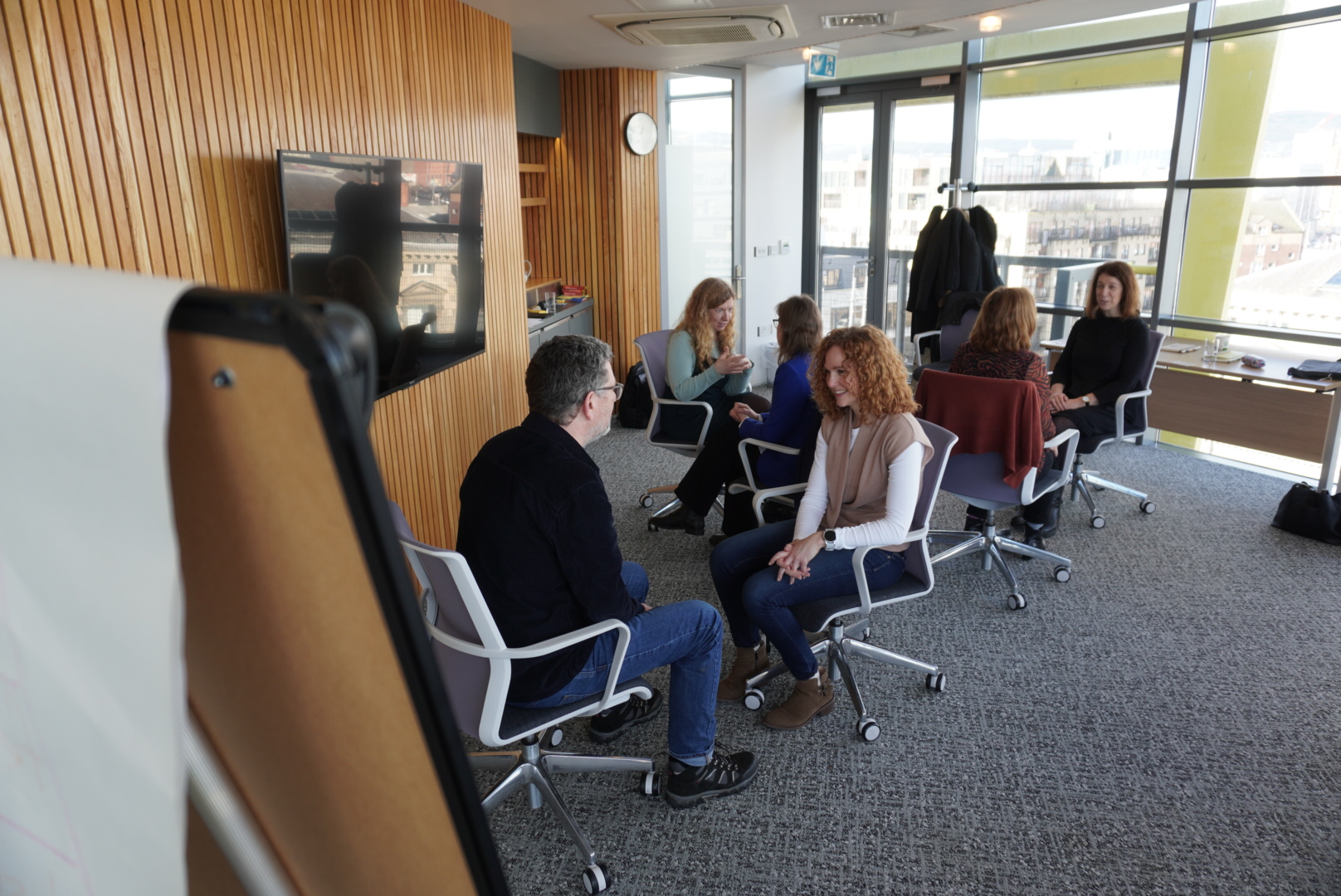
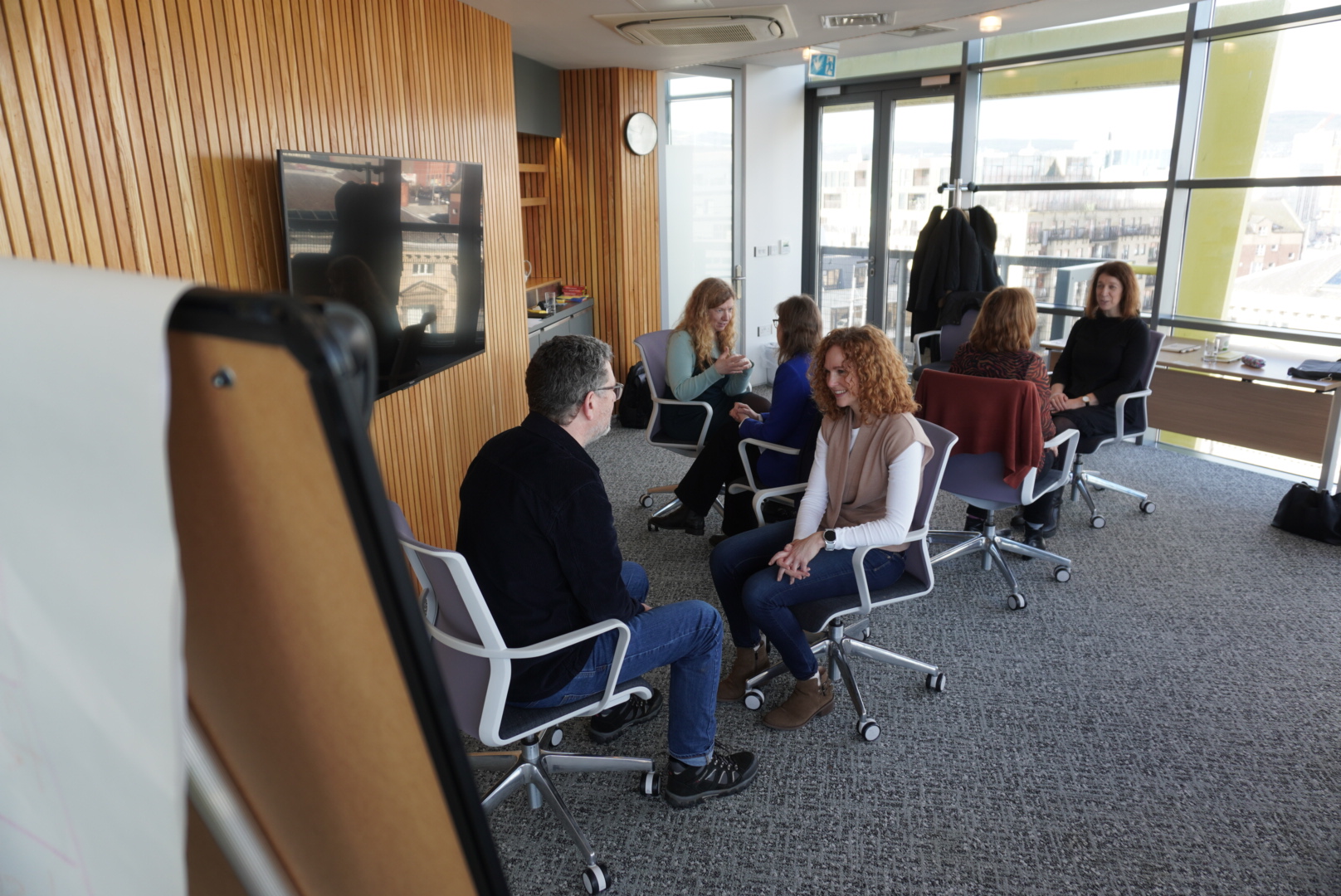
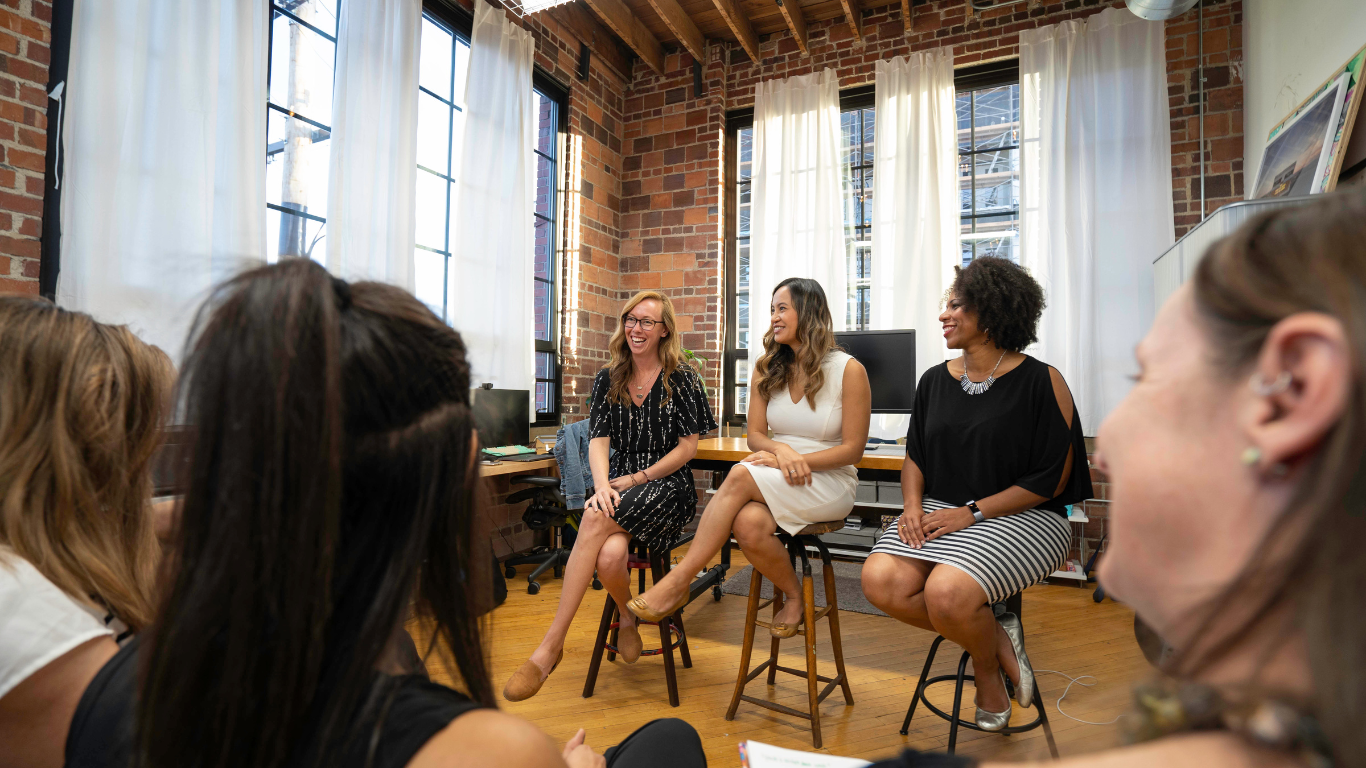
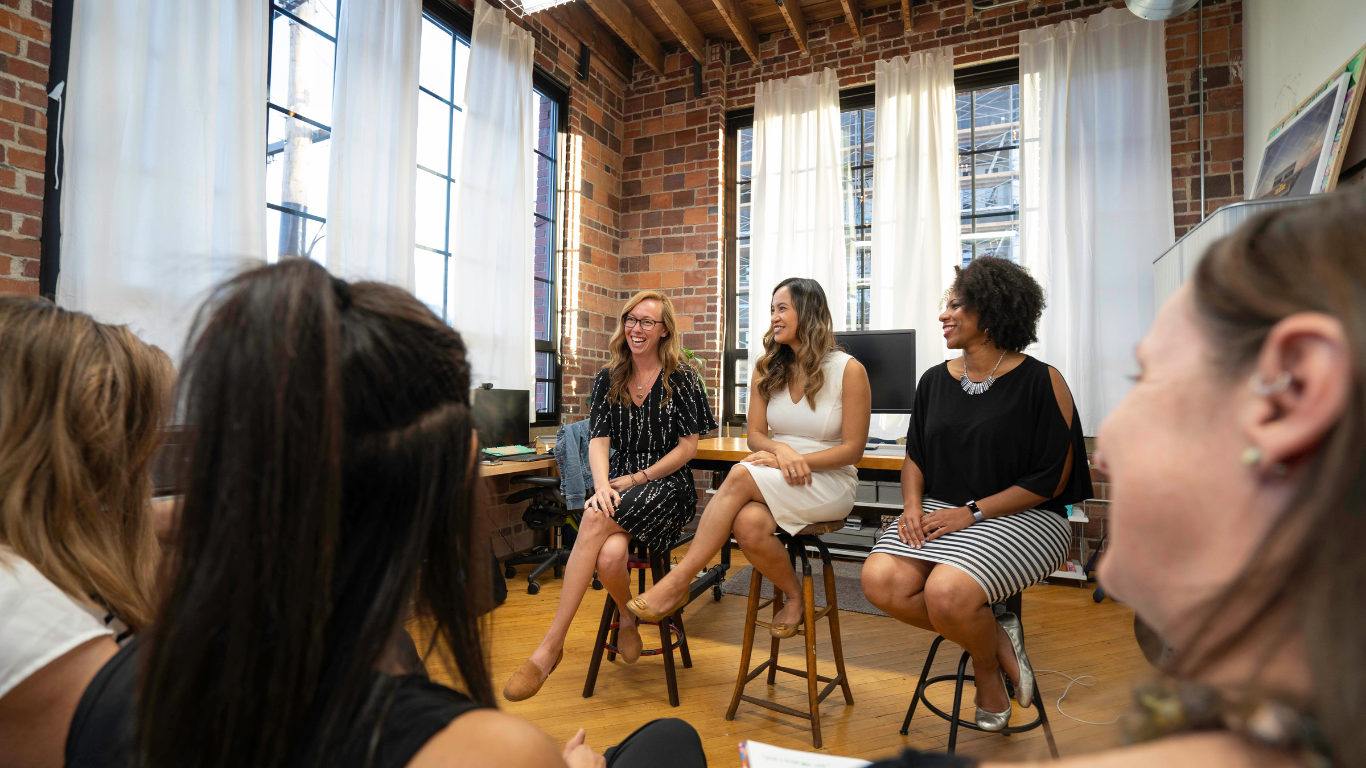
    A group of adults seated in chairs, engaged in a calm discussion in a bright, well-lit office space.

    Healing, Not Just Resolution

    In post-conflict societies like Northern Ireland, we’ve seen how mediation becomes more than a process. It becomes part of healing. People who believed they had to fight for everything begin to see new ways of being heard—without having to shout.

    Through mediation training for real-life conflict, we’ve seen families reconnect, workplaces rebuild trust, and communities choose dialogue over division.

    The process itself is healing. And the skills gained extend far beyond the training room.

    Start Where You Are

    If you’re someone who wants to be part of that change – who sees the value in meaningful dialogue and practical tools – then now is the time to explore mediation training for real-life conflict.

    We invite you to browse our wide range of mediation courses, available across levels and formats. Whether you’re looking to upskill individually or bring a tailored programme to your group, we’re ready to support your journey.

    Let’s Build Conflict Competency Together

    Sign up for one of our upcoming courses today.
    Choose from off-the-shelf modules or bespoke training shaped around your group’s needs.
    Learn skills that bring clarity, build trust, and lead to better outcomes, for everyone involved.


  • Why Building Relationships is the Heart of Conflict Resolution

    Why Building Relationships is the Heart of Conflict Resolution

    When you sit down in a room that’s held tension for decades, you don’t start with, “Let’s get down to business.” You start with something real. Something human.

    “I’m Sean. You’re Mike. Tell me about you. What’s it like to be you? Let me tell you a bit about me.”

    That may sound simple, but it’s everything. That first moment of honest human exchange is where trust begins. It’s where transformation begins. And in the world of conflict resolution, building relationships in mediation is not a soft skill; it’s the hard ground we build peace upon.

    Long before agreements are signed or formal talks begin, relationships are what make resolution possible. Without trust, dialogue is fragile. But when people feel heard, respected and genuinely cared for, they show up differently. They listen. They risk. They change.

    The Human Foundations for Peace

    In Northern Ireland, peace wasn’t secured through quick wins or one-off negotiations. It was shaped over years – decades – of sustained, relational work.

    On the most recent episode of The Resolution Room, two of our Mediators, Sean and Laurie, reflected on this very point. They shared the story of Alan; a story that captures the essence of what building relationships in mediation really looks like.

    For four or five years, week in, week out, Alan checked in on two individuals; one a senior Loyalist whose daughter had a profound disability, the other a senior Republican whose wife was living with a serious long-term illness.

    Every week, he asked the same questions:

    “How’s your daughter?”
    “How’s your wife?”

    No agenda. No expectation of return. Just consistent care.

    Years later, when the ceasefires were in danger and urgent dialogue was needed, those very same people answered the call without hesitation.

    “I need you in Belfast.”
    “When?”
    “In an hour.”

    They came, not because of politics, but because of relationship. Because the man asking was the same one who had shown up every week, when no one was watching, asking after their loved ones.

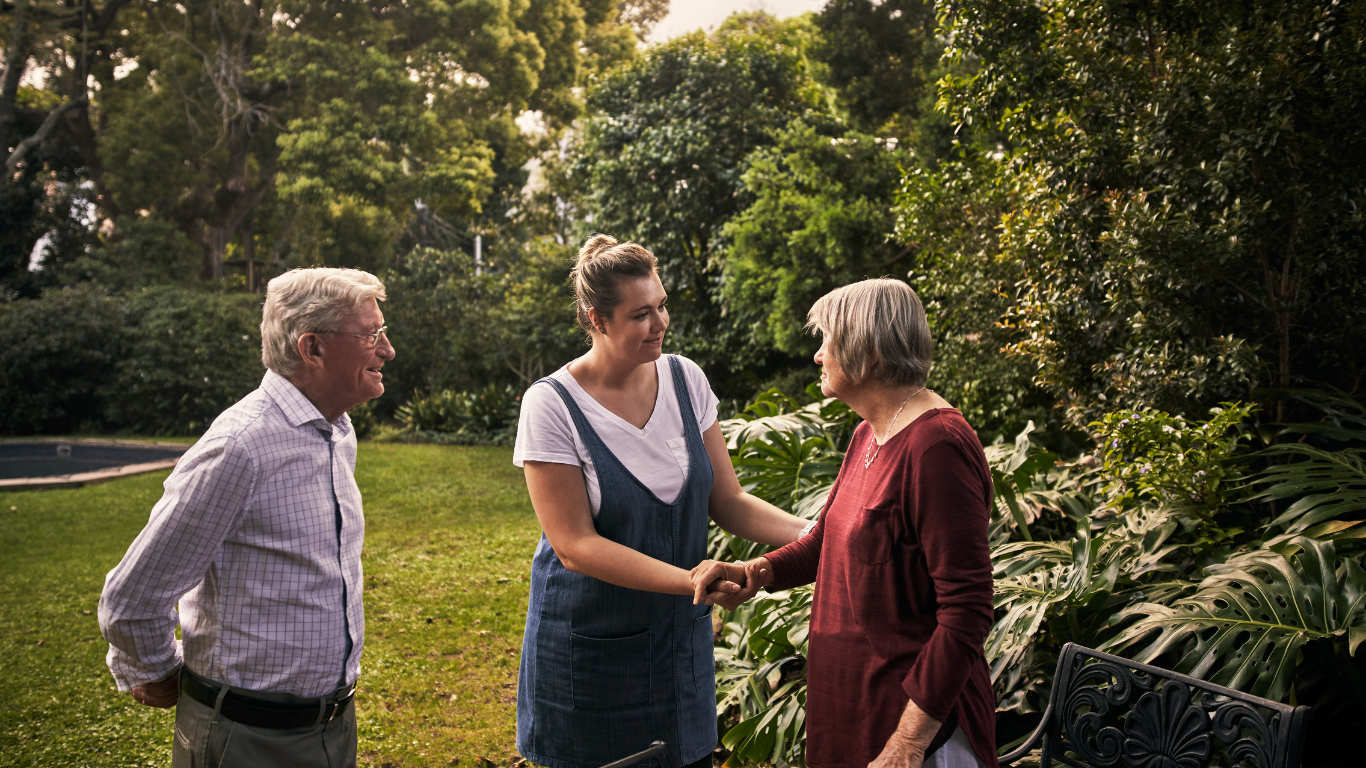
    Three people shaking hands in a garden, symbolising trust and connection in conflict resolution and mediation.

    From Conflict Zones to Everyday Workplaces

    Much of the mediation work in Northern Ireland began during a time when violence was immediate and real. People brought sleeping bags to the office. Conversations were often shadowed by threat. The work was pioneering. It had never been done before in this way or on this scale. There was a clear understanding: if we got it wrong, people could die. And still, people showed up.

    And even in that pressurised environment, building relationships in mediation remained the centre of the work.

    Interestingly, Northern Ireland’s mediation journey ran opposite to many other regions. While most countries introduce mediation through neighbourly disputes or workplace disagreements, and then scale up to systemic work, here it began at the macro level, with parades, policing, and paramilitary tensions, and slowly filtered into the everyday.

    Now, the same relational approaches used to ease street-level tension are helping resolve conflict in offices, organisations, and communities across the country. And that makes sense. Rather than stay in one box, trauma leaks into every part of society. So the need for human connection remains universal.

    Training for Trust: The Ardoyne Shopfronts

    The Ardoyne shopfronts are a powerful example of how training and relationship-building go hand in hand.

    Over ten years of mediation work, people from both Republican and Loyalist communities came together to discuss some of the most contested spaces in Belfast. But this wasn’t a cold negotiation table. These individuals had previously been trained in principled negotiation skills, giving them not just techniques, but a shared language, a common understanding.

    Because of that foundation, they were able to take risks together. They could sit across the table not as enemies, but as people navigating complexity with dignity and intention.

    Again, it all came back to building relationships in mediation. Before there was progress, there was connection. Before there was compromise, there was care.

    When people understand the frameworks of conflict, and when they feel genuinely seen within those frameworks, they are more willing to explore new possibilities. That’s the alchemy of good mediation.

    The sculpture "Hands Across the Divide" in Derry. A compelling image that encapsulates the journey of mediation in Northern Ireland; from its roots in intense conflict to its application in everyday settings. This bronze and silver statue, created by local artist Maurice Harron and erected in 1992, symbolises reconciliation between both sides of the political divide during The Troubles. It poignantly represents the bridging of communities and the enduring power of relationship-building in mediation.

    Multi-Partiality: Equal Care for Everyone

    One of the cornerstones of mediation at its best is multi-partiality. It means being for everyone. Not taking sides, but showing equal care and concern for each person in the room.

    It’s not neutrality in the passive sense. It’s active empathy. A deep commitment to making sure every voice is heard, every need acknowledged, every story respected.

    This kind of presence creates the conditions where difficult truths can be spoken and heard. It also fosters accountability, because when people feel safe and valued, they’re more likely to own their part and look for shared solutions.

    This approach is central to building relationships in mediation. It says: “You matter. All of you matter.” And that belief can change the trajectory of even the most entrenched conflicts.

    We’re All Just People

    At its best, mediation reshapes how we see one another.

    It reminds us that behind every label – Republican, Loyalist, HR Director, Shop Steward – there’s a human being. Someone who’s had a life. Someone who’s known loss, love, stress, hope.

    When we begin by asking not “What do you want?” but “What’s it like to be you?” we start in the right place. And more often than not, people respond in kind.

    Building relationships in mediation is about cultivating that space where people can bring their whole selves into the room; not just their grievances, but their humanity. And once that’s allowed, resolution becomes not only possible, but sustainable.

    A Peacebuilding Agenda Rooted in Care

    There’s no shame in having a peacebuilding agenda. The best mediators are upfront about that. But it’s not an agenda imposed; it’s one offered in service.

    Pacifism, care, nonviolence; these are active practices. They involve consistently choosing compassion over coercion, relationship over retribution.

    This kind of agenda is about allowing something new to emerge. Not by ignoring the past, but by tending to the present with sincerity and intention. It’s about nurturing the kind of dialogue that heals, not hardens.

    That’s what building relationships in mediation makes possible. It creates space for growth. For repair. For shared future-making.

    The Way Forward

    In a world that’s often transactional, relational work can feel radical. But it’s not radical; it’s essential.

    Whether you’re working in conflict transformation, community building, or even organisational development, building relationships is the cornerstone of meaningful, long-term change.

    It begins with presence. With a willingness to see and be seen. With phone calls made every week for five years. With cups of tea shared. With consistent care, even when there’s no visible reward.

    That’s what peace looks like. Not dramatic moments, but quiet, faithful ones.

    So next time you find yourself navigating tension – whether in your community, your workplace, or your own relationships – remember this: the path to resolution always begins with connection.

    Because when people know you care, they come when it counts.

  • Overcoming Challenges with the Mediation Process: Building Trust and Positive Peace

    Overcoming Challenges with the Mediation Process: Building Trust and Positive Peace

    Mediation is a transformative process that plays a crucial role in helping individuals and communities navigate conflict and build lasting trust. It’s a process rooted in empathy, respect, and a commitment to positive change. Through mediation, parties involved in disputes are not only able to resolve their differences but also to cultivate a deeper understanding of each other’s perspectives. This collaborative approach provides a space where solutions are reached through dialogue, making it an invaluable tool for workplace disputes, community tensions, or personal conflicts.

    Trusting the Mediation Process

    One of the most significant components of successful mediation is trust, both in the process itself and in the mediator. For practitioners, the mediation process is not something that is merely theoretical; it is a well-tested and structured approach honed over decades of experience. Mediators work with parties who may have deeply entrenched positions, but through a trusted and impartial framework, we guide them toward constructive dialogue and resolution.

    At the outset, it can be difficult to fully embrace the mediation process, especially for those who are unfamiliar with it. However, as mediators with years of experience in diverse and often high-stakes environments, we understand that the process may seem daunting. Yet, the results speak for themselves. The skills and practices we rely on have been tried and tested in countless situations, showing that even the most challenging disputes can be resolved.

    The process of mediation encourages participants to embrace a new way of thinking; one that focuses on problem-solving rather than the escalation of conflict. With knowledge, skills, and patience, mediators are able to break down barriers between conflicting parties, allowing them to rebuild their relationship and move forward with trust. This process provides a framework that can handle even the most complex of disagreements, offering hope where it may seem in short supply.

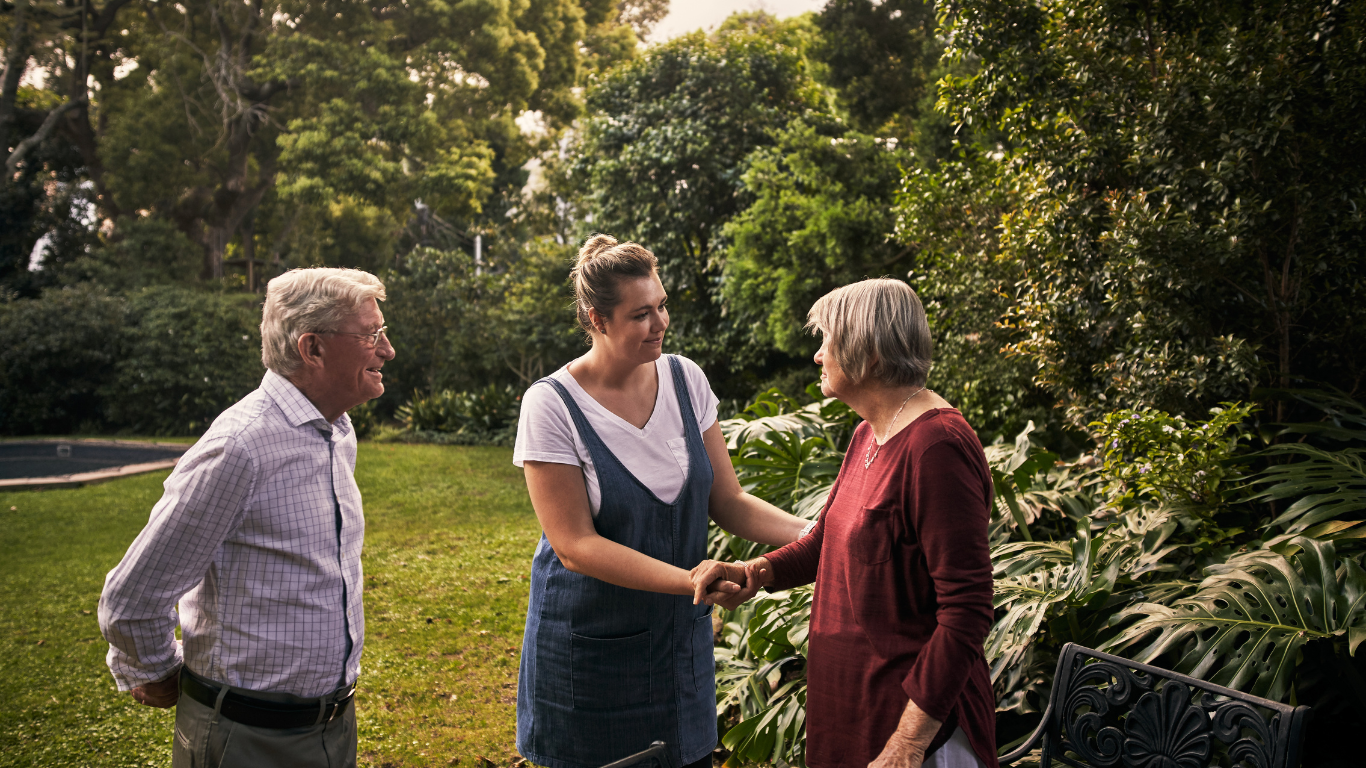
    Three people shaking hands in a garden, symbolising trust and connection in conflict resolution and mediation.

    Overcoming Challenges with Courage and Creativity

    Mediation is not without its challenges. Often, parties come to the table with deep emotional wounds, entrenched views, and a history of mistrust. However, mediators are trained to face these challenges with courage, recognising that conflict resolution requires both patience and creativity. Each situation is unique, and it’s through innovative thinking that mediators help parties break free from the cycles of blame and negativity that often accompany unresolved conflict.

    Creativity is a key aspect of the mediation process. Mediators are not merely facilitators of conversation but also problem-solvers, drawing on their experience and imagination to craft solutions that serve all parties involved. In many ways, mediation is like cleaning out a cluttered kitchen drawer. In that, the process can be messy at first, but once the clutter is cleared away, a more organised and functional space emerges. Each issue, each concern, is addressed thoughtfully and strategically, ensuring that nothing is overlooked and that every party is given an opportunity to be heard.

    In the face of tension, mediators maintain a calm and composed presence, allowing space for parties to express their frustrations while keeping the conversation focused on finding solutions. By remaining steadfast in their commitment to the mediation process, mediators help to transform a chaotic, emotionally charged situation into one of cooperation and mutual understanding. This ability to turn conflict into collaboration is one of the hallmarks of successful mediation.

    Mediation as a Tool for Positive Peace

    Nonviolence is at the heart of mediation, but it’s important to understand that nonviolence isn’t just about avoiding conflict—it’s about creating positive peace. This is a core principle that sets mediation apart from other forms of conflict resolution. Nonviolence in mediation means fostering an environment in which all parties feel heard, respected, and valued. It encourages dialogue, understanding, and collaboration, rather than division or hostility.

    In practice, nonviolence manifests in the way mediators facilitate conversations. It’s about setting the tone for the discussion, ensuring that everyone has an opportunity to speak without fear of being dismissed or silenced. By creating a safe space for dialogue, mediators help parties move from a place of hurt and frustration to one of shared understanding and cooperation. The presence of understanding, respect, and mutual support are paramount to this positive peace.

    Mediation also works to prevent future conflict by helping individuals develop the skills needed to manage disputes constructively. Through the mediation process, parties learn how to communicate effectively, listen actively, and negotiate in a way that prioritises mutual benefit over personal gain. This not only resolves the current dispute but also equips individuals with the tools to handle future challenges in a way that promotes harmony and collaboration.

    The sculpture "Hands Across the Divide" in Derry. A compelling image that encapsulates the journey of mediation in Northern Ireland; from its roots in intense conflict to its application in everyday settings. This bronze and silver statue, created by local artist Maurice Harron and erected in 1992, symbolises reconciliation between both sides of the political divide during The Troubles. It poignantly represents the bridging of communities and the enduring power of relationship-building in mediation.

    Realising the Impact: Mediation’s Role in Transforming Communities

    Mediation has proven to be an invaluable tool in resolving conflicts in a variety of settings. In post-conflict societies like Northern Ireland, mediation has played a vital role in addressing issues left unresolved by the Good Friday Agreement. While the violent conflict of the Troubles may have ended, tensions remained, particularly around issues such as parades, flags, and access to public services. These unresolved conflicts continued to divide communities and disrupt the peace, but mediation offered a way forward.

    In Northern Ireland, mediation practitioners worked with communities to address these issues, providing a platform for dialogue and resolution. They helped bridge the gap between divided groups, allowing them to address their differences without resorting to violence or further escalation. Mediation also played a key role in facilitating police training and monitoring interface areas where tensions were high, ensuring that all parties were able to engage in productive, peaceful discussions.

    The success of mediation in post-conflict Northern Ireland highlights its potential for resolving disputes in communities around the world. Whether addressing historical grievances, social divisions, or workplace conflicts, mediation offers a structured, impartial process that helps people find common ground and move forward in a positive direction.

    Building Trust Through Mediation

    Mediation is a pathway to building trust and fostering lasting peace. The process provides individuals with the opportunity to engage in open, respectful dialogue, creating solutions that benefit all parties. By embracing the principles of integrity, nonviolence, and creativity, mediation offers a framework that allows communities, organisations, and individuals to move beyond conflict and work together towards a common goal.

    Through the mediation process, we can overcome challenges, and build trust. It’s a process that requires commitment, patience, and courage, but the rewards are immense. By focusing on the positive, the solution-focused nature of mediation, we can transform conflict into opportunity and create a society that handles conflict better.

  • How Conflict Management Skills Empower Organisations to Thrive

    How Conflict Management Skills Empower Organisations to Thrive

    You can spot it a mile off.

    The tension in the room. The glance that lingers too long. The comment brushed off but not forgotten. It’s not always dramatic. Sometimes it’s a whisper, a tightening of the jaw, a quiet retreat into silence.

    But here’s the truth: unresolved conflict rarely stays quiet.

    And yet – organisations that build conflict management skills into their culture don’t just avoid trouble. They create something remarkable: workplaces where people feel heard, seen, and supported. Where courageous conversations are not an exception, but a norm.

    Let’s talk about how this happens.

    Living the Commitment From Policy to Practice

    Most organisations have conflict policies, often printed, filed, and forgotten. But conflict management skills bring policy to life. It’s about shifting the culture, not just checking a box. When staff know how to recognise tension early and feel confident to speak up, conflict becomes a shared responsibility; not something handed off when it’s already too late.

    Installing alternative dispute resolution practices into an organisation’s structure makes this shift real. Not theoretical. Not aspirational. Real. It becomes something seen and felt: a line manager calmly addressing behaviour before it escalates; a colleague offering support rather than silence.

    A group of women engaged in discussion in an office, reflecting a collaborative work environment.

    Courageous Conversations Create Better Workplaces

    Courage isn’t loud. Sometimes, it’s the quiet decision to say, “What’s going on? How can I help?” It’s the moment someone chooses to speak when ignoring would be easier.

    Conflict management skills empower managers and staff alike to have these conversations with empathy, timing, and purpose. It’s not about confrontation. It’s about connection.

    This kind of emotional intelligence – the ability to notice, reflect, and respond with care – does more than defuse tension. It builds trust. And trust is the currency of any thriving workplace.

    Training for Awareness, Not Just Response

    When conflict is ignored, relationships fray. Morale dips. Performance suffers. But organisations that invest in developing conflict management skills give their people the awareness to act early, not react late.

    That’s what we focus on at Mediation NI. Not just intervening when things go wrong, but working with organisations to build long-term capacity. We offer tailored training that helps staff:

    • Spot red flags early

    • Understand the best time and way to intervene

    • Handle difficult moments within the flow of work, not in spite of it

    It’s about embedding skills that are as natural as checking in with a colleague or reviewing a project. The more normal it feels, the more powerful it becomes.

    Colleagues seated at a table in an office, participating in a conversation about conflict management and workplace trust.

    Valued People Drive Better Outcomes

    There’s a direct link between conflict management skills and employee engagement. When people feel valued, supported, and safe to speak, they bring their best selves to work. And organisations benefit-financially, culturally, and socially.

    The most successful organisations are the ones where senior leaders don’t just talk about respect and transparency; they back it up with action. They listen. They create space. They invest in people, not just policy.

    It’s in the everyday: asking “What do you need from me?” instead of “What went wrong?” It’s in the reaction: looking at learning instead of punishment when mistakes happen. It’s in the ripple effect: one person feeling safe to speak encourages others to do the same.

    Most people don’t walk out because of workload or salary. They leave because relationships break down. Because tension simmers. Because conversations that needed to happen, didn’t.

    Conflict management skills give people the tools to repair those relationships before they reach breaking point. They foster environments where it’s okay to admit you’re struggling, to speak up without fear of backlash, to find solutions together.

    Let’s Build a Stronger Workplace Together

    Empowering organisations to address conflict effectively isn’t about theory; it’s about practice. It’s about values lived every day: respect, courage, creativity, and care.

    Whether you’re a team leader, HR professional, or CEO, the question is simple: Are your people equipped with the conflict management skills they need to thrive?

    At Mediation NI, we’re here to help you answer with confidence and action.

  • How Mediation Services Build Trust, Boost Engagement, and Protect Your Reputation

    How Mediation Services Build Trust, Boost Engagement, and Protect Your Reputation

    Conflict at work isn’t always loud. Sometimes it shows up in a disengaged team. A missed deadline. An awkward silence in the Monday morning meeting. Left alone, it festers. Handled well, it becomes a turning point. That’s where mediation services come in; not just to settle disputes, but to transform how conflict is handled across your organisation.

    When handled proactively, conflict can be an opportunity for connection, clarity, and even cultural change. But let it escalate, and you may find yourself in front of a tribunal, in the public domain. And once you’re there, your organisation isn’t just managing a case. You’re managing your name.

    Building Trust with Mediation Services

    Trust is the cornerstone of any successful organisation. When conflict arises, the way you respond says everything about your values and culture. Bringing in well-qualified mediators – people who understand your structure, who can engage all sides with empathy and fairness – sends a strong message: we care about our people, and we’re committed to resolving issues constructively.

    Mediation services foster this trust by creating space for open, honest dialogue. It’s not about blame. It’s about understanding. It’s about helping individuals and teams move forward together. And in the process, it protects the long-term health of your organisational relationships.

    A group of diverse professionals at a table, engaged in a collaborative discussion with a laptop, highlighting a peaceful mediation environment.

    Boosting Engagement by Empowering Teams

    There’s a direct link between engagement and how valued people feel in their roles. When teams feel heard, supported, and trusted to shape their own working culture, engagement flourishes. That’s where mediation services shine; not just in resolving conflict, but in laying the groundwork for more positive behaviours.

    Empowered leaders know it’s not about top-down control. It’s about creating a shared vision, facilitating meaningful conversations, and helping individuals support one another through the challenges of modern work. When leaders are equipped to model those values, and when teams are given the language and tools to do the same, the entire organisation becomes more resilient and connected.

    Boosting Engagement by Empowering Teams

    Organisations often ask: How do we build more positive behaviours at work? How do we encourage better collaboration? The answer often lies not in more policy, but in more conversation.

    This is where mediation services play a vital, often under appreciated, role. They help leaders facilitate those important but difficult conversations. Not by imposing top-down fixes, but by guiding teams toward mutual understanding and shared expectations.

    When people are given that space – when they feel respected, listened to, and genuinely invested in – the results speak for themselves:

    • Lower staff turnover

    • Higher customer satisfaction

    • More resilient, communicative teams

    And crucially, people feel proud to be part of a workplace that values their voice.

    A workplace team engaged in an open conversation, representing how mediation services support empowered, collaborative teams

    Protecting Your Reputation Through Proactive Support

    There’s no price tag for reputation. Organisations that respond to conflict with integrity and care are remembered for the right reasons. Those that don’t risk being seen as uncaring or disorganised. By investing in mediation services, you not only avoid the public scrutiny that comes with litigation, you actively demonstrate your commitment to fairness, support, and wellbeing.

    And it’s not just about staying out of the tribunal. It’s about being known as a great place to work; a place where people are respected, heard, and supported when challenges arise.

    From resolving disputes to creating long-term behavioural change, mediation services offer a pathway to healthier workplaces. They support leaders, empower teams, and protect what matters most: the trust of your people and the strength of your reputation.

    When you choose mediation, you’re not just fixing a problem; you’re building a culture that prevents problems from escalating in the first place. A culture rooted in respect, responsibility, and real engagement.

    And that’s a future worth investing in.

  • Why Mediation Skills Are Essential in Managing Workplace Conflict

    Why Mediation Skills Are Essential in Managing Workplace Conflict

    In any workplace, conflict isn’t a question of if, it’s unfortunately when. But what if we could see it coming before it hits crisis point? What if we could equip the very people who are often first to spot the signs with the tools they need to respond well; tools like active listening, reframing, and core mediation skills? 

    Because that’s the real heart of it: recognising the red flags early, asking the right questions, and having the confidence to say, “What can I do for you?”

    Recognising Early Signs of Conflict

    Those kinds of conversations – open, supportive, and grounded in trust – can strengthen working relationships and create space for real progress. They bring clarity, build understanding, and help teams move forward together, early on, with purpose and confidence.

    Picture this: A team member starts withdrawing during meetings, deadlines start slipping, and the energy shifts. A line manager with mediation awareness notices – doesn’t ignore it – and opens up a quiet, respectful conversation. That early check-in could stop a grievance from ever needing to be filed.

    And that’s where mediation awareness comes in.

    Line manager having a supportive one-on-one conversation with a team member to address early signs of workplace conflict and promote open communication

    Building Mediation Skills Into Leadership

    This is about everyday conflict awareness, creating an organisational culture where people at every level recognise when something’s brewing and respond with clarity and care.

    That begins with the right kind of training; practical, purposeful, and built into the DNA of your team leaders and line managers. Training that develops core mediation skills like:

    • Listening with intent and without judgment

    • Reframing language to open up new possibilities

    • Asking courageous, clear, and compassionate questions

    With these tools, managers become confident, proactive leaders in conflict. They engage with issues early, supportively, and constructively, right at the point where working relationships are most vulnerable.

    This is where culture is shaped. When mediation skills are supported from the top and reinforced through daily practice, leadership sets the tone. Policies are brought to life through consistent, values-driven action.

    That’s what conflict transformation looks like; woven into the everyday rhythm of your organisation.

    The Role of Leadership in Shaping Culture

    That’s the golden thread we talk about weaving through organisations; not just a tick-box policy, but a lived culture of early intervention and courageous communication.

    Think of it as stitching resilience directly into the fabric of your organisation; thread by thread, conversation by conversation.

    Because it’s not enough to send someone on a one-off course and call it done. This is about embedding conflict fluency into the way your organisation operates, from the ground floor to the boardroom.

    So the question becomes:
    What kind of workplace do you want to lead?
    One where issues escalate, or one where they’re handled early, respectfully, and with purpose?

    If you want to build that kind of culture – where conversations aren’t just possible but productive – now’s the time to start.

    A team leader engaging in an empathetic conversation with colleagues in a modern office, symbolising conflict awareness and the development of mediation skills in workplace leadership.

    Be Part of the Change

    At Mediation NI, we believe that the key to healthier workplaces and stronger communities lies in how we respond to conflict – early, openly, and with care. We’re here to support organisations, leaders, and teams in building the confidence and skills to face challenges before they escalate.

    If you want to foster a culture where communication thrives and issues are addressed with empathy and clarity, we invite you to be part of this shift.

    Together, we can create environments where difficult conversations are possible, where relationships are nurtured and where conflict becomes a catalyst for growth.

  • How We Build a Society That Handles Conflict Better

    How We Build a Society That Handles Conflict Better

    Conflict is an inevitable part of life. Whether at home, in the workplace, or within communities, disagreements and tensions will always arise. However, how we handle these through conflict resolution can make all the difference. At Mediation NI, we are committed to shaping a society where conflict is managed, resolved, and transformed with respect, integrity, and understanding.

    Our Vision: A Society That Handles Conflict Better

    Our vision is simple but powerful: a society where conflict is no longer something to fear or avoid but something to navigate and resolve with confidence. We believe that, with the right tools and mindset, it is possible that through conflict, we can grow, improve relationships, and provide better outcomes for everyone involved. This vision drives everything we do.

    Our Mission: Expertise, Support, and Transformation

    As a leading mediation development organisation, we provide the expertise and support necessary to handle conflict constructively. Our mission is clear: we strive to provide high-quality mediation services, training, and develop innovative new models of practice that will change how people think about and approach conflict.

    We understand that every situation is unique, which is why we focus on tailored solutions that fit the needs of individuals, teams, and entire organisations. Whether it’s resolving workplace disputes, community tensions, or offering mediation training, we are dedicated to creating a path forward.

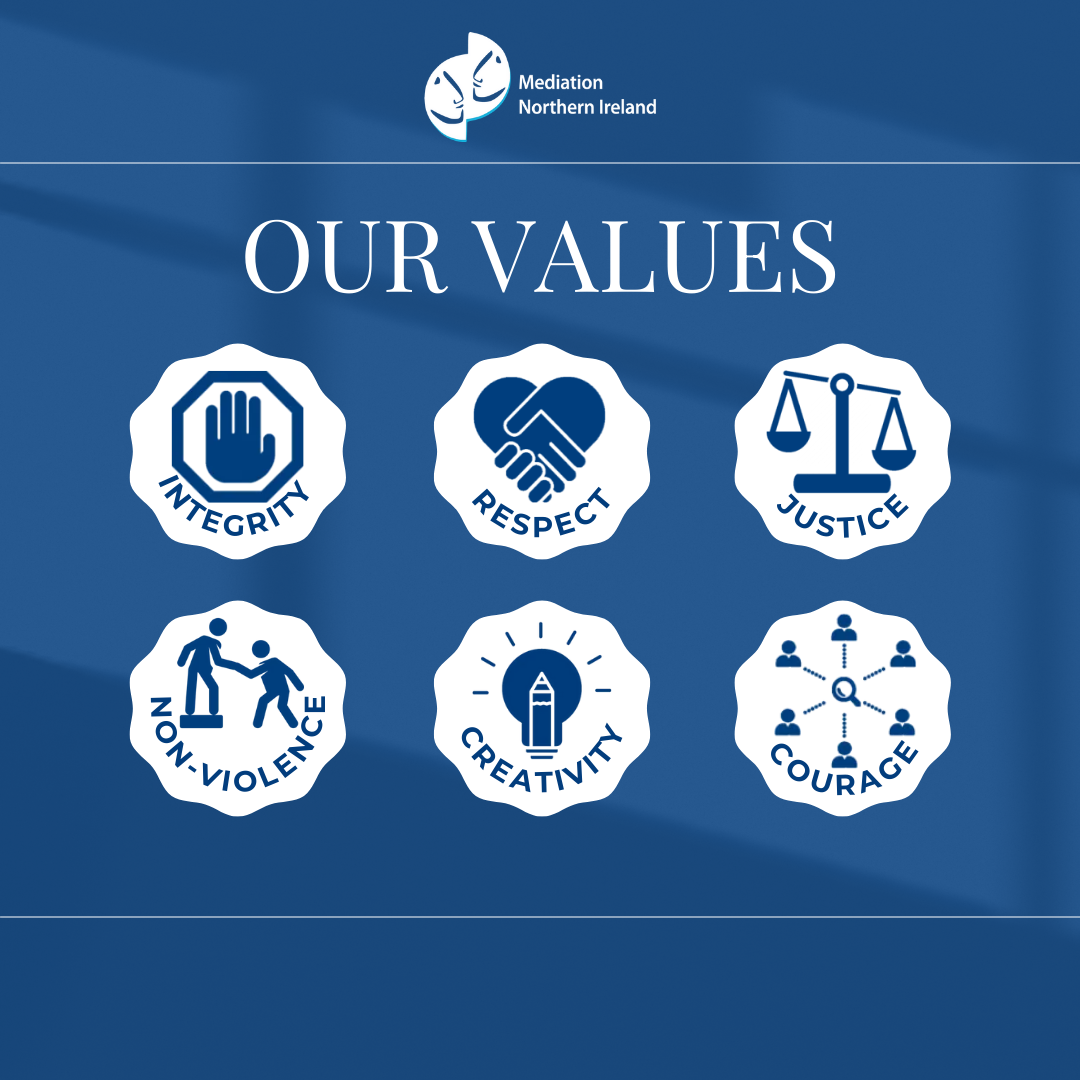
    Our Core Values

    At the heart of our work are our values, which guide every interaction and decision. These values form the foundation for the trust and respect we build with our clients, partners, and the communities we serve.

    • Integrity: We deliver on our promises with transparency and confidentiality. Our clients trust us because they know we uphold the highest ethical standards in everything we do.

    • Respect: Every individual we work with is treated with dignity and value. We believe that mutual respect is essential to resolving conflict and building lasting solutions.

    • Justice: We are committed to impartiality and fairness, ensuring that every voice is heard and that solutions are equitable for all parties involved.

    • Nonviolence: We actively promote peaceful resolutions and encourage constructive dialogue that foster positive relationships and long-lasting connection.

    • Creativity: Conflict often arises from complex challenges, and we are passionate about thinking outside the box. We encourage innovation in conflict resolution and work with others to find new, effective ways to move forward.

    • Courage: We face difficult situations with determination and confidence. Conflict resolution often requires tough conversations and decisions, and we meet these challenges with unwavering perseverance.

    Why Our Approach Matters

    In today’s world, conflict resolution skills are more important than ever. As workplaces, communities, and individuals interact and collaborate across a wide range of perspectives and experiences, opportunities for conflict can arise. However, with the right training and support, conflict can be an opportunity for learning and positive transformation.

    Our mission and values are the foundation of everything we do. Whether we’re offering tailored mediation services or providing training that empowers people to handle conflict themselves, we are dedicated to creating a more peaceful, respectful society.

    Join Us in Building a Better Future

    At Mediation NI, we’re committed to working alongside businesses, communities, and individuals to create a world where conflict is addressed constructively, and positive change can flourish. If you believe in a society where conflict is not feared but handled with skill, compassion, and respect, we invite you to join us on this journey.

    Together, we can create a future where conflict is managed better, relationships are stronger, and communities are more connected.